
Description
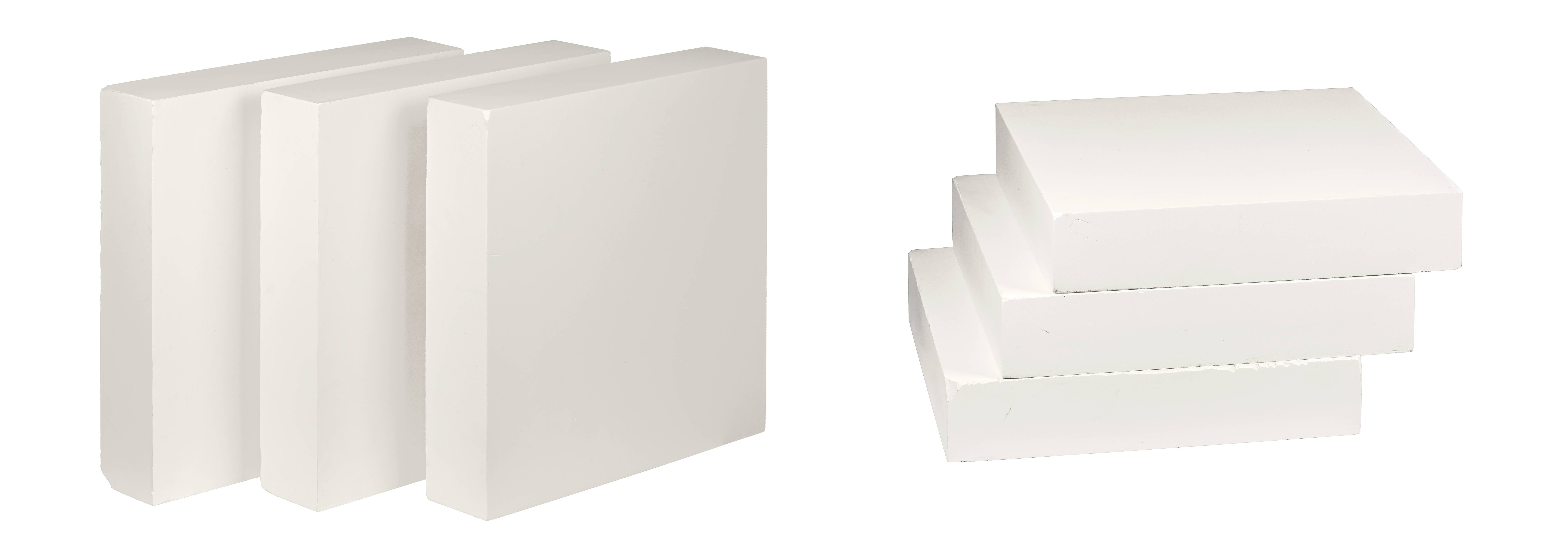
High-performance solid buoyancy foams are different from ordinary foaming foams. They are specially designed for industrial-grade mid-to-deep sea equipment, adopting high-strength epoxy resin as the matrix, filled with high-performance hollow glass microspheres, and manufactured via precision high-pressure molding technology.
Compared with other types of non-professional alternative buoyancy foams, this series features higher strength, extremely low water absorption and excellent deep-water creep resistance. Its good homogeneity ensures stable physical properties even after complex CNC machining, making it widely applied in industrial fields such as underwater equipment.
The raw blanks usually require post-processing including splicing, bonding, CNC machining, spraying and baking finish. They can also be directly sawn and cut for rapid prototype. The water absorption rate of ≤1% is the test result of raw material. Direct application of the raw blanks without surface treatment will not affect its inherent performance.
Shipping List
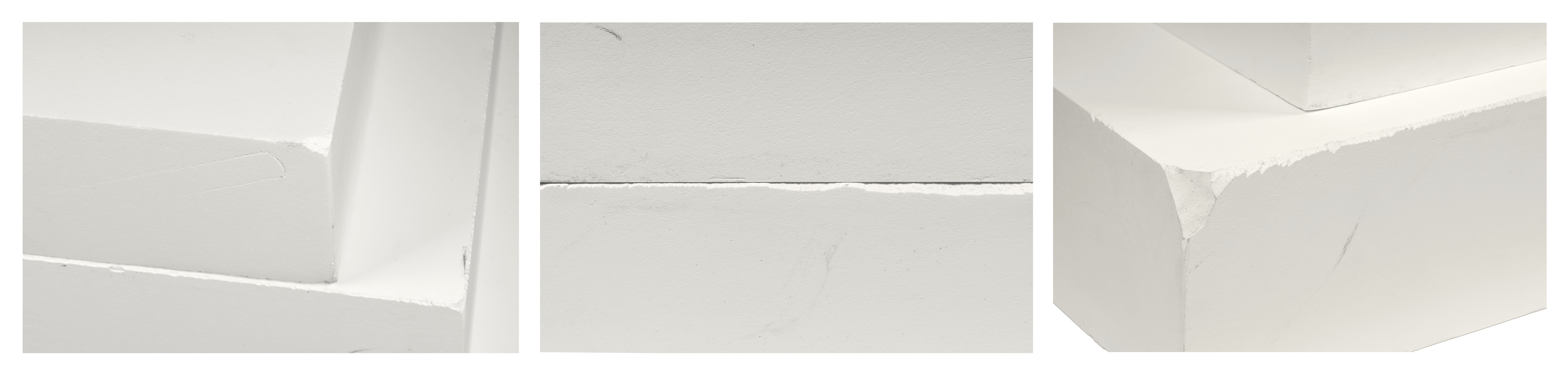
- 1 × Buoyancy Foam Blank
Specifications
| Item | SKU | Density g/cm³ | Rated Pressure Depth | Blank Foam Weight (subject to actual weight due to edge imperfections and material losses) | Water Absorption | Compressive Strength /Mpa | *Size /mm |
|---|---|---|---|---|---|---|---|
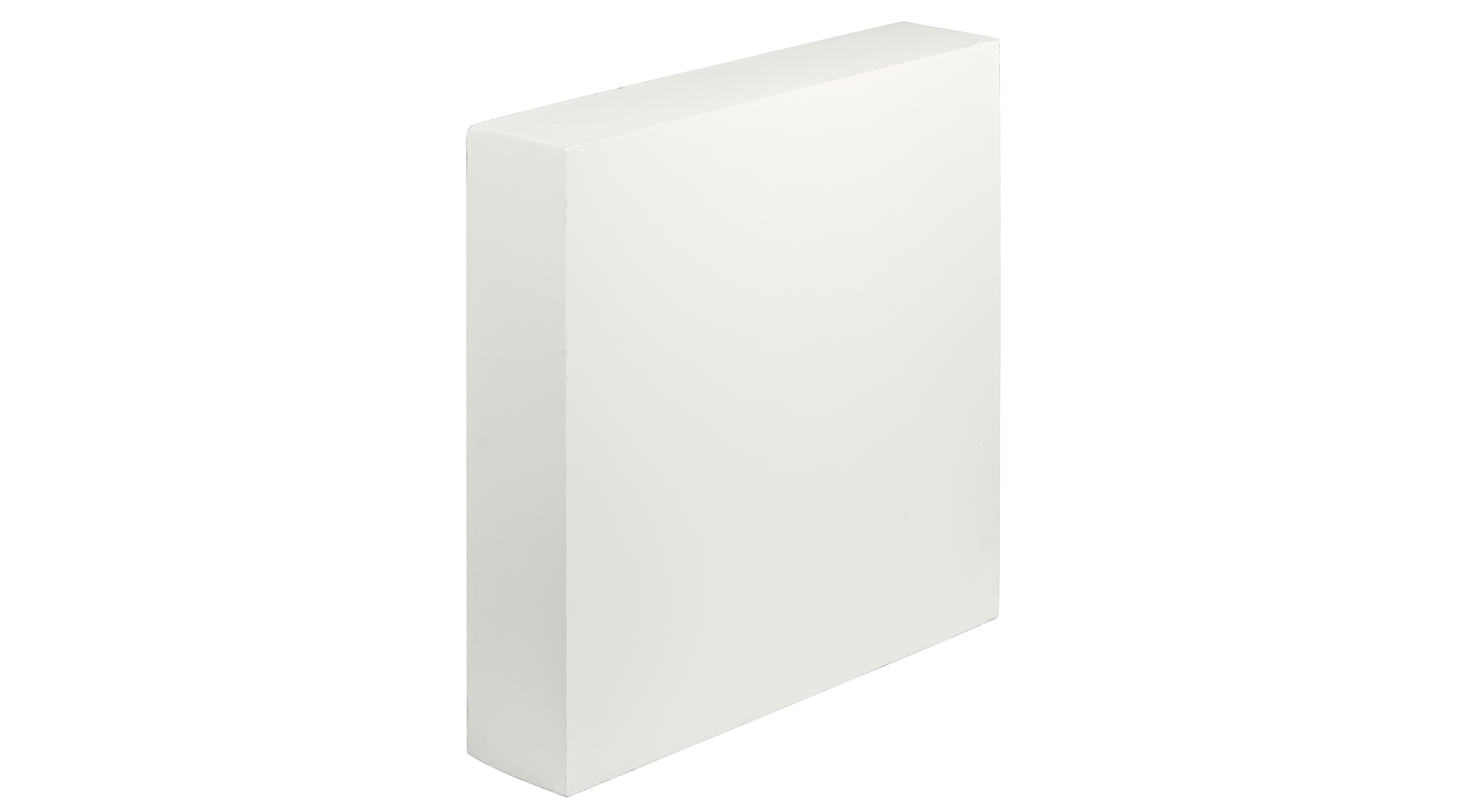
| 500m Water Depth Solid Buoyancy Foam Blank | 14021605-0005 | 0.36±0.02 | 500 meters | ≈8950g | ≤1% | ≥12 | 500*500*100 |
| 1200m Water Depth Solid Buoyancy Foam Blank | 14021605-0012 | 0.4±0.02 | 1200 meters | ≈9950g | ≤1% | ≥18 | 500*500*100 |
| 1500m Water Depth Solid Buoyancy Foam Blank | 14021605-0015 | 0.42±0.02 | 1500 meters | ≈10400g | ≤1% | ≥19 | 500*500*100 |
| 2000m Water Depth Solid Buoyancy Foam Blank | 14021605-0020 | 0.45±0.02 | 2000 meters | ≈11650g | ≤1% | ≥28 | 500*500*100 |
| 3000m Water Depth Solid Buoyancy Foam Blank | 14021605-0030 | 0.48±0.02 | 3000 meters | ≈12400g | ≤1% | ≥35 | 500*500*100 |
| 6000m Water Depth Solid Buoyancy Foam Blank | 14021605-0060 | 0.57±0.02 | 6000 meters | ≈14550g | ≤1% | ≥70 | 500*500*100 |
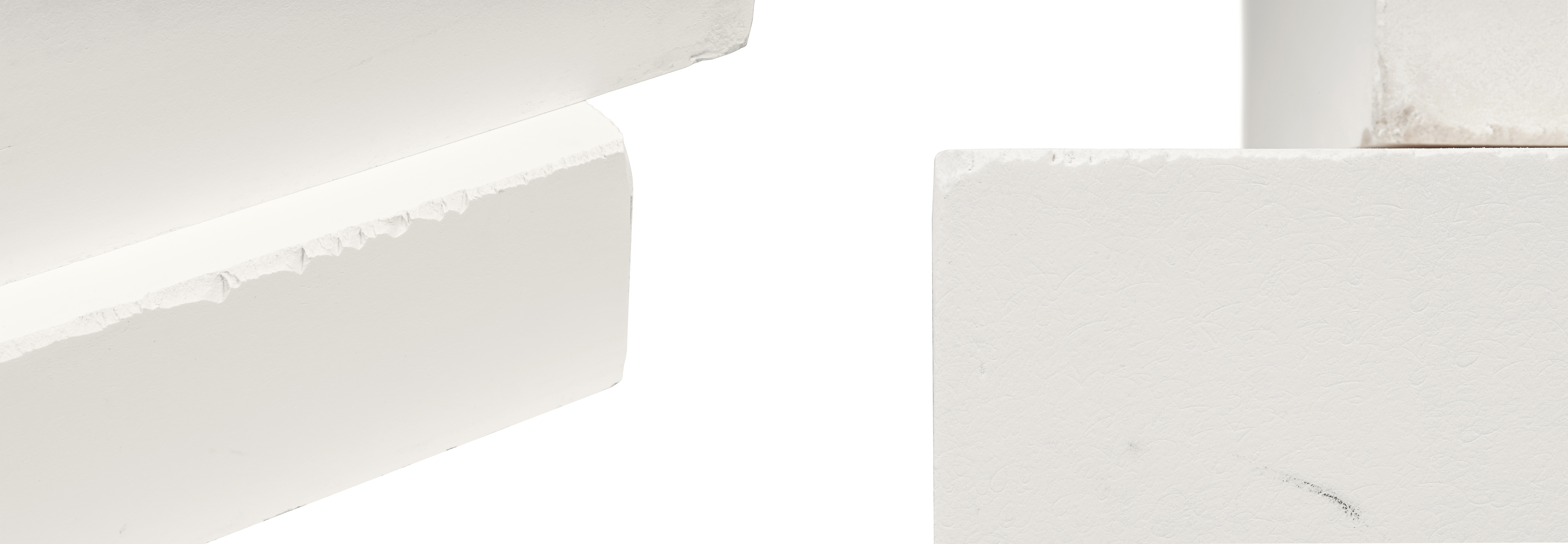
* Due to production process limitations, corner chipping and edge defects are unavoidable during the demolding process of blank production, and there will be slight dimensional deviations. Sufficient machining allowance must be reserved when calculating the blank dimensions.
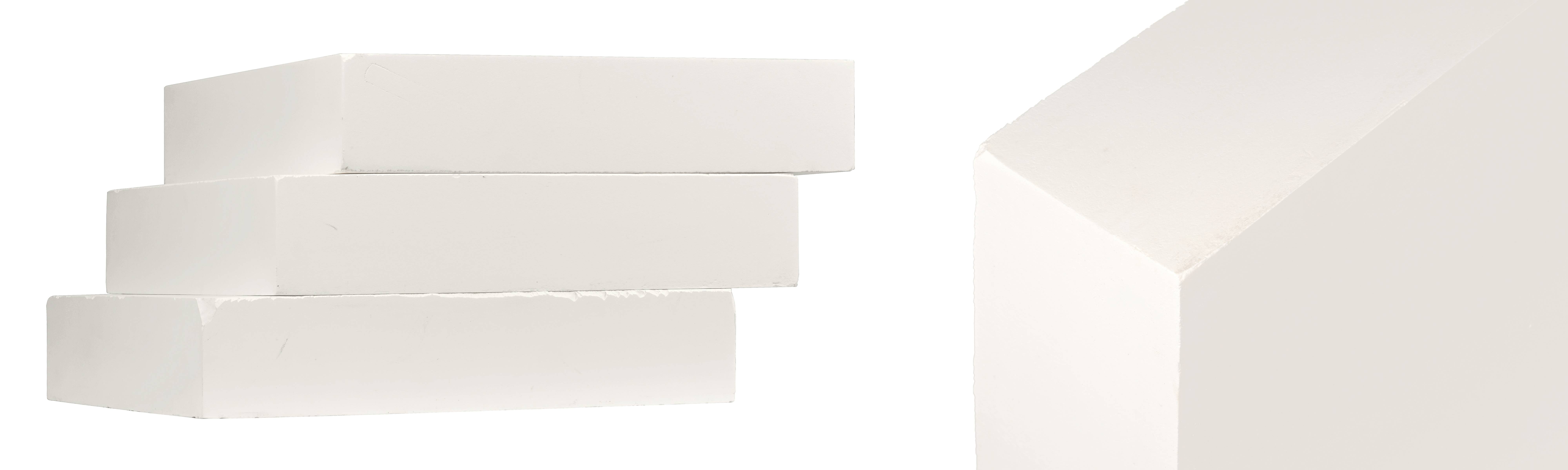
Although the uniformity of density is strictly controlled during the production process, slight density non-uniformity may still exist, which will be reflected in the appearance as a gradual color transition from dark in the center to light at the edges.
The surface color of blanks varies with different densities and production batches, and the typical color is slightly yellowish.
Temperature Resistance of the Material: The material can be used under conventional marine ambient temperatures, and the maximum applicable temperature shall not exceed 100℃ (for surface-treated products, the adhesion and temperature resistance of the surface paint layer shall be taken into consideration).
Guides
Installation Dimension Design Instructions:
- Installation and Fastening: It is recommended to use large-diameter flat washers to distribute the fastening force of bolts, so as to prevent local crushing of the material surface.
- Stress Design: The buoyancy foam is mainly subjected to hydrostatic pressure. When designing the installation structure, it shall be avoided to use it as a structural load-bearing component to directly bear shear force or severe impact.
- Thread Design: Threads can be directly machined on the material, but fine threads shall not be machined as the thread features are prone to damage.
CNC Machining Instructions:
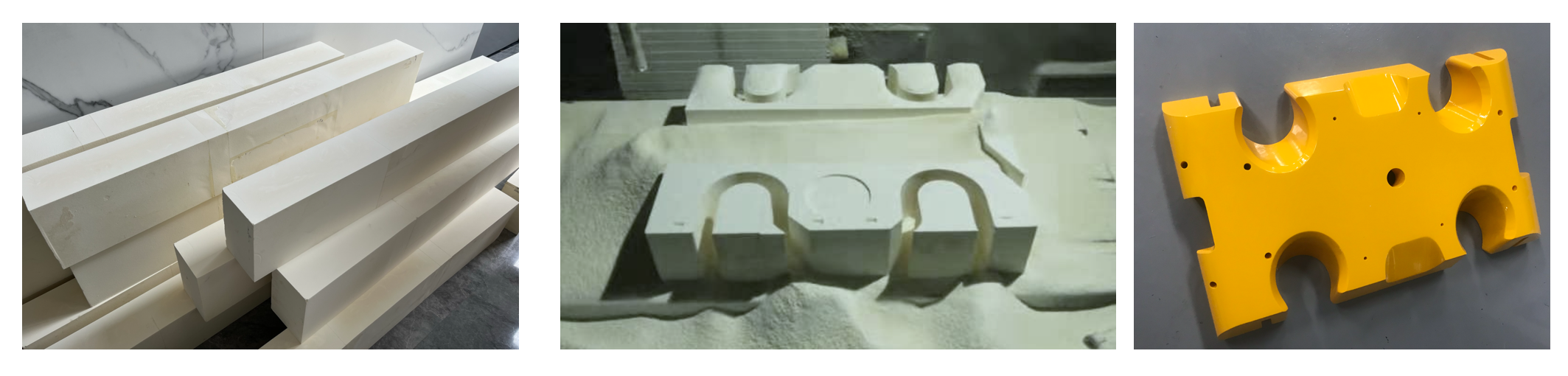
As the material contains high-density hollow glass microspheres, its processing characteristics are similar to those of hard composite materials with certain abrasiveness. However, tools used for processing aluminum can be applied.
- Tool Selection: CNC cutting tools designed for aluminum machining are recommended.
- Process Parameters: Spindle Speed: Recommended at 3000 RPM (subject to the diameter of the cutting tool); Feed Rate: 2 m/min. Excessive cutting force may cause edge chipping of the material.
- Cooling and Dust Removal: Dust removal equipment is required for dry machining, as a large amount of dust containing glass microspheres and resin powder will be generated, which is irritating to the respiratory tract. For wet machining, the impact of the coolant on the material must be tested before application; generally, the use of coolant is not required.
- Clamping Method: Fixtures with large contact surfaces for support are recommended to avoid point pressure. Vacuum suction chucks and other clamping devices can be used.
Post-treatment Instructions:
The machined surface will expose tiny pores caused by broken microspheres, which have negligible impact on the overall performance and can be ignored.
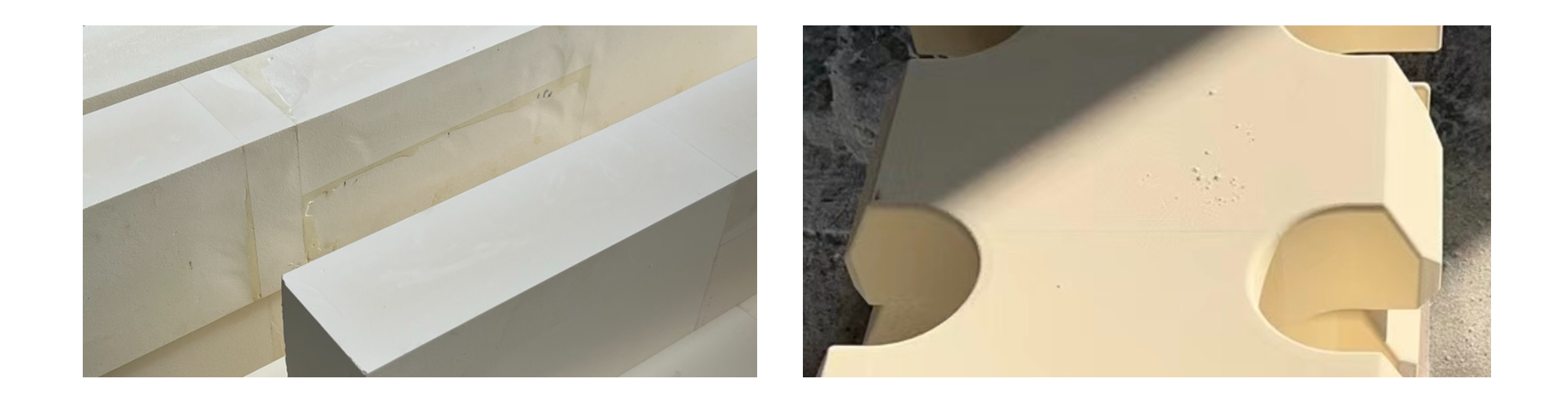
Putty Application and Sealing:
- Surface Cleaning: Remove dust with compressed air or vacuum cleaning equipment.
- Putty Selection: Two-component epoxy-based putty is recommended. Ordinary polyester putty has a different coefficient of thermal expansion from epoxy materials and is prone to peeling off.
- Construction: Apply the putty evenly on the machined surface to fully fill the surface micropores. After curing, sand the surface smooth with 240–400 grit sandpaper.
Baking Finish and Coating:
- Primer: Spray epoxy primer or epoxy sealer primer to enhance adhesion.
- Topcoat: Baking paint or polyurea elastomer can be used for surface spraying.
- Baking Notice: This material is recommended for curing at room temperature or low-temperature baking (temperature not to exceed 60°C).
Differences between Polyurea Elastomer and Baking Paint:

| Performance | Polyurea Elastomer Surface Treatment | Baking Paint Surface Treatment |
| Impact Resistance | High impact resistance, effectively protecting against external impact forces | Thin coating film, cannot resist impact |
| Appearance | Visible orange peel texture, wrinkles or uneven thickness; performance-oriented | Smooth with good flatness; appearance-oriented |
| Water Resistance (Surface) | Excellent | Good |
| Weathering Resistance | Aging-resistant | Average |
| Impact on Dimensions | Polyurea coating allowance is required; typical gap allowance: 2mm | Minimal impact on overall dimensions; typical gap tolerance: ±0.3mm |
| Weight Increase | Non-negligible | Negligible |
| Surface Pretreatment Requirement | Low | High |
| Cost | High proportion of material cost | High proportion of labor cost |
| Coverage in Holes | Cannot reach deep recesses | Partial coverage achievable |
FAQ
● What is the difference between this product and ordinary foamed PVC or other buoyancy foam materials?
This series of buoyancy foam is vastly different from conventional buoyancy materials, and is more suitable for industrial applications and real marine environments.
At a deep-sea depth of several thousand meters, ordinary materials may suffer gradual buoyancy loss due to creep deformation. In contrast, this product features superior dimensional stability and pressure resistance margin.
● What should I do if edge chipping occurs during machining?
Edge chipping is a common issue in CNC processing. It is recommended to optimize processing parameters with leftover material samples for trial cutting to avoid the problem.
If edge chipping or breakage already occurs, it can be repaired and bonded with epoxy resin. For large-area repairs, collect machining dust and debris, mix it with epoxy adhesive for filling and mending. After full curing, the repaired strength can generally reach that of the base material.
● Can this buoyancy foam be directly exposed to sunlight?
Long-term UV radiation will cause yellowing or surface chalking of the epoxy resin matrix. Although it will not affect the core buoyancy performance, surface coating protection is strongly recommended.
● Are there any requirements for storage conditions?
Store in a cool and dry place, and keep away from open flame. Although the material has better flame retardancy than ordinary buoyancy materials, it will still carbonize under extreme high temperature.